
Metering architecture
Define incoming supplies, tenant or area submeters, communications and the meter register.
Energy management
See where energy is used, when demand peaks and which meters or feeders need investigation.
Operator view
Explore an illustrative interface with sample readings and events. Screen design and functions vary by project and platform.
Main incomer · Electrical monitoring
Meter EM-18 · Communications alertLast reading at 09:55
| Point or device | Reading or state | Detail |
|---|---|---|
| Line voltage L1–L2 | 401 V | Within sample band |
| Frequency | 50.0 Hz | Nominal |
| Power factor | 0.97 | Main incomer |
| Energy counter | 42,810 kWh | Month to date |
Solution design
Metering devices provide electrical readings and energy counters. A supervisory platform can group consumption by feeder or area, keep trend histories and surface data gaps.
Define incoming supplies, tenant or area submeters, communications and the meter register.
Agree demand intervals, reporting groups, time alignment and how missing readings will be shown in exports.
Monitor available voltage, current, power and power factor readings. Identify power-quality work separately where specialist meters are required.
Meter schedule and hierarchy, register map, dashboard and report definitions, CT ratio and polarity checks, communications verification and handover.
Manufacturer references
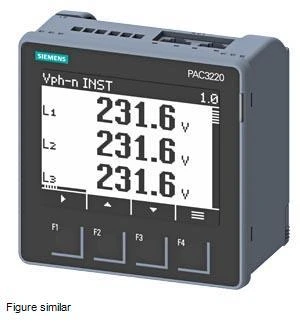
Software reference for energy reporting and electrical monitoring. Device shown: SENTRON PAC3220 meter.
Manufacturer documentationECOLEAD CONTROLS
Share your requirements with our Damascus team. We can discuss the system scope and the next steps.